
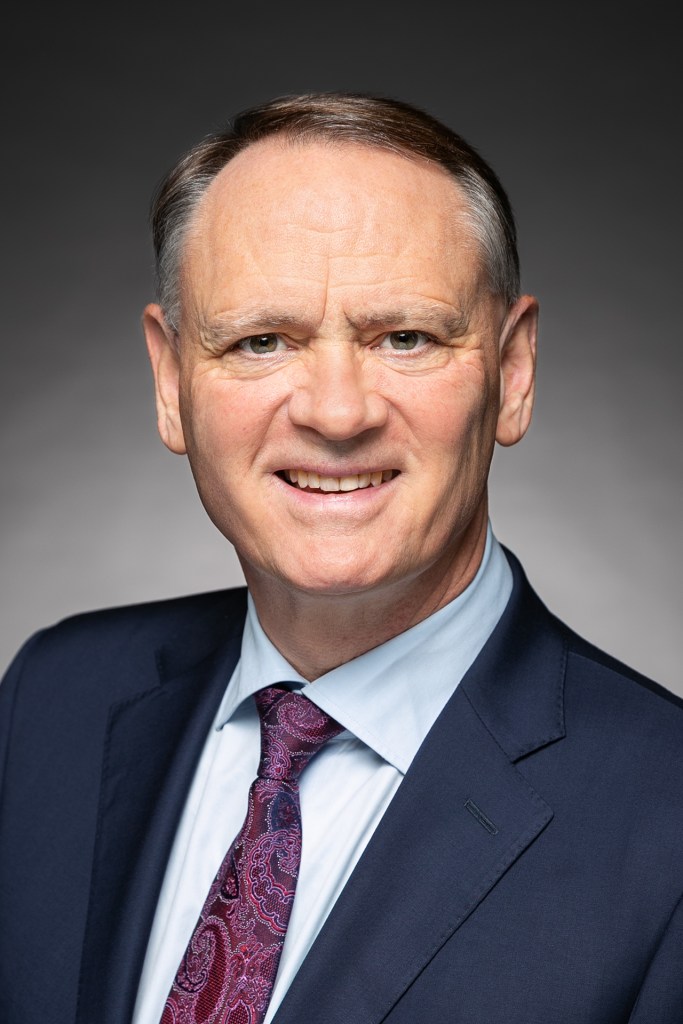
In a move that could signal a significant recalibration of Canada’s defence policy, Prime Minister Justin Trudeau has appointed David McGuinty as the country’s new Minister of National Defence. With a political career spanning over two decades and a deep background in intelligence oversight, law, and environmental governance, McGuinty enters this high-stakes portfolio at a pivotal time for the Canadian Armed Forces (CAF) and national security apparatus.
Seasoned but New to Defence
McGuinty, the longtime Liberal MP for Ottawa South, has served in Parliament since 2004. From 2017 to 2024, he chaired the National Security and Intelligence Committee of Parliamentarians (NSICOP)—a role that gave him unique insight into the intelligence community, national threats, and Canada’s place in the Five Eyes alliance. While he lacks direct military experience, his tenure at NSICOP and as an environmental policy leader positions him well to engage with today’s multifaceted defence challenges, from cyber threats to Arctic sovereignty.
Immediate Priorities: From Pay Raises to Procurement
McGuinty will have to direct his efforts to a number of key files in the weeks and months ahead. Chief among these are promises made by the Liberal government under new party leader Mark Carney, which now fall under McGuinty’s purview:
1. Supporting Military Personnel
The government has pledged pay raises for Canadian Forces members, and it will be McGuinty’s task to ensure these are delivered promptly. Alongside financial support, Carney has promised to improve the quality of life for military families by increasing access to high-quality base housing, child care, and health services, including mental health care.
This is not a new concern. Previous defence ministers, including Harjit Sajjan and Anita Anand, acknowledged the system’s shortcomings, particularly in housing availability. In May 2022, Anand admitted the federal government had “more work to do” on that front—an admission that McGuinty must now address head-on.
2. Reducing Dependence on U.S. Military Suppliers
McGuinty may face institutional resistance as he works to implement Carney’s promise to reduce reliance on U.S. military equipment. This shift would prioritize Canadian-made systems and stronger procurement ties with European defence firms. Such a move could have long-term implications for Canada’s strategic autonomy and industrial base—particularly as global supply chains and alliances evolve.
3. Fixing Defence Procurement
One of the thorniest and most persistent issues facing any defence minister is procurement. Carney has committed to establishing a new Defence Procurement Agency to streamline and depoliticize the equipment acquisition process. While Trudeau made similar promises early in his tenure—and again during the 2019 election—those pledges went largely unfulfilled.
McGuinty will be expected to break that cycle. With Canada’s military modernization lagging and major procurement files stalled or delayed, the pressure to deliver measurable progress will be intense.
4. New Equipment: Submarines, Artillery, AEW&C Aircraft
The Liberal defence platform outlines specific high-profile purchases, including:
- New submarines
- Self-propelled artillery systems
- Made-in-Canada Airborne Early Warning and Control (AEW&C) aircraft
That last promise is especially significant for Canada’s aerospace industry. It follows criticism over the federal government’s controversial decision in November 2023 to award Boeing a sole-source $8-billion contract for surveillance aircraft—bypassing Canadian firms.
McGuinty will need to navigate the political and industrial tensions this has created while delivering on the new procurement commitments.
5. Recruitment and Retention
McGuinty inherits a CAF undergoing a major reconstitution effort. With recruitment goals set at 6,496 new members this fiscal year, the government is aiming to rebuild the regular force to 71,500 personnel and primary reserves to 30,000, according to a 2024 DND report.
Much of the modernization of the recruitment process has already been initiated. At a February 2025 briefing, Chief of the Defence Staff Gen. Jennie Carignan expressed optimism that the Forces are on track to meet this year’s goals. Still, McGuinty must ensure momentum is maintained and the CAF becomes a more attractive and accessible career path for young Canadians.
Outlook: From Oversight to Leadership
As a bilingual, experienced legislator with a legal and environmental background, David McGuinty brings a non-traditional yet potentially transformative approach to defence. His prior oversight role at NSICOP could make him more attuned to transparency, cybersecurity, and strategic intelligence. His environmental policy credentials could help integrate climate resilience and sustainability into DND infrastructure and Arctic operations.
Yet, success will depend on execution. Many of the promises he inherits—from pay raises to procurement reform—have been made before. Whether McGuinty can deliver where others have faltered will define his tenure and shape the trajectory of Canadian defence for years to come.
 Canada Defence Journal