
The North Atlantic Treaty Organization (NATO) recorded a historic surge in collective defence spending last year, with its 32 member states investing a combined $1.303 trillion USD in security and military capabilities. This marks a 19% year-over-year increase, up by approximately $200 billion compared to 2023.
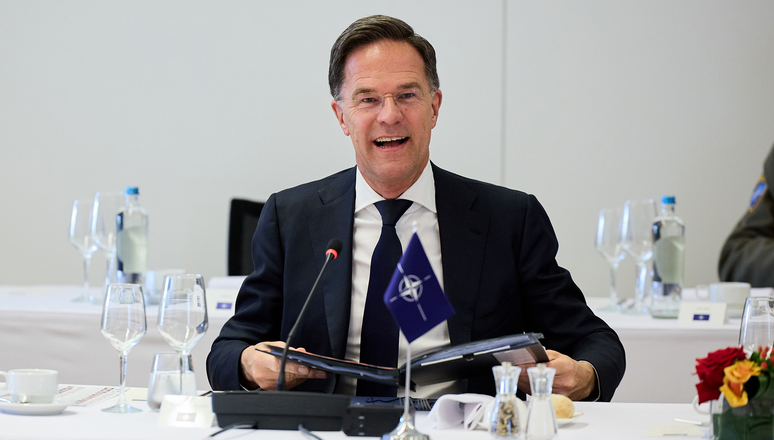
According to figures released by NATO, the sharp rise in expenditure is primarily driven by renewed commitments in response to Russia’s ongoing war against Ukraine, now in its third year. Europe and Canada accounted for $468 billion (€412 billion) of the total, with 38% of that directed toward major equipment acquisitions. The United States, still NATO’s largest single contributor, spent $818 billion (€720 billion).
A total of 22 members met or exceeded the alliance’s longstanding target of spending 2% of GDP on defence—up from just 11 members in 2022. This milestone reflects a growing consensus across the alliance that deterrence and readiness must be prioritized in the current geopolitical climate.
However, Canada continues to fall short, spending just 1.45% of GDP on defence, despite its increasing strategic role in the Arctic and NATO operations. While this represents a modest increase from previous years, Canada remains under pressure from both Washington and key European allies to accelerate its defence modernization and procurement efforts.
Montenegro was the only NATO country projected to meet the 2% target at the beginning of 2024 but ultimately failed to do so. Meanwhile, countries like Belgium (1.29%), Italy (1.5%), and Spain (1.24%) remain behind but have signaled new commitments to boost spending in the coming years.
Among the top contributors, the United Kingdom (2.33%), Germany (2.1%), and France (2.03%) just cleared the threshold, despite facing economic and political headwinds at home. The bulk of new spending is being directed toward NATO’s eastern flank—Poland, the Baltic states, and other frontline nations bordering Russia—highlighting the alliance’s evolving strategic focus.
Looking ahead, pressure is mounting within NATO to revise the defence spending benchmark. Discussions are underway about raising the target from 2% to potentially 3% or even 3.5% of GDP, with an additional 1.5% proposed for civil defence and non-military support, such as humanitarian assistance and aid to Ukraine.
Sweden’s Prime Minister Ulf Kristersson confirmed that the matter will be a key agenda item at the upcoming NATO leaders’ summit in The Hague this June. A consensus on increased targets would mark a significant shift in alliance doctrine and could trigger further political debates in member states where public support for higher defence budgets remains mixed.
For Canada, the upcoming summit may prove pivotal. With the United States reconsidering its long-term defence posture in Europe and growing calls for allies to take on more responsibility, Ottawa will likely face renewed pressure to chart a more ambitious course. Whether this leads to concrete spending increases or new procurement initiatives remains to be seen—but the stakes are high.
 Canada Defence Journal